
Importance of a client portal & use cases.
This article explores the benefits of implementing a client portal, highlighting two use cases in the financial services and professional services industries.

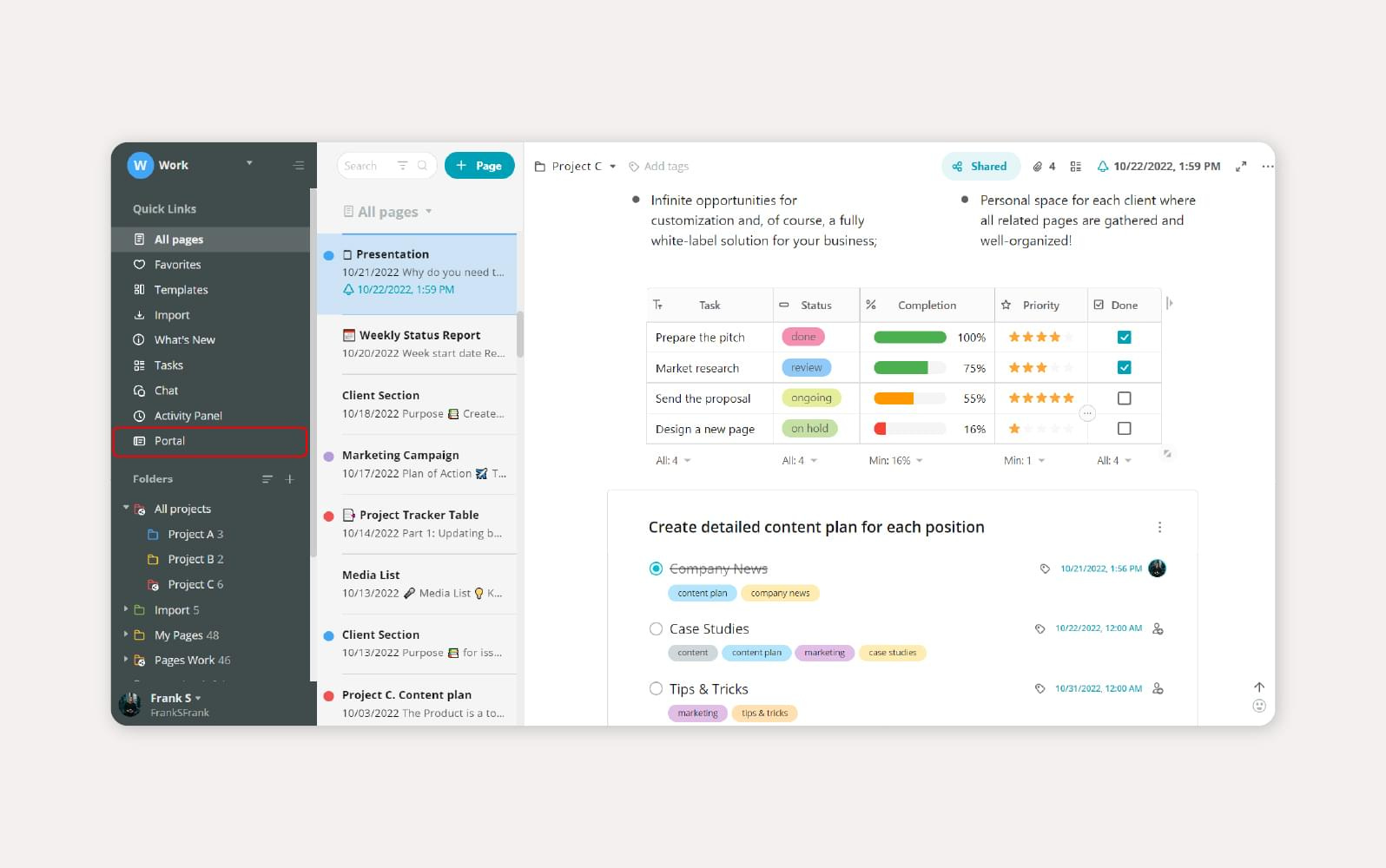
A client portal is an essential tool for businesses of all sizes and industries. It serves as a secure online platform that enables businesses to communicate, collaborate, and share information with their clients in a centralized and efficient manner. We will explore the benefits of implementing a client portal, highlighting two use cases in the financial services and professional services industries.
Defining a Client Portal
Well, think of it as your business's virtual front door, except it's equipped with a bouncer who only lets your clients in. It is a secure online platform that allows businesses to interact and collaborate with their clients in a centralized and organized manner.
The Evolution of Client Portals
Back in the day, it was all about those clunky file cabinets and endless paper trails. But thankfully, we've moved on to the digital age. With advancements in technology, client portals have evolved into sophisticated platforms that streamline communication and enhance productivity.
Benefits of Implementing a Client Portal
Improved Client Satisfaction and Retention
Who doesn't want happy clients who stick around for the long haul? By implementing a client portal, you can provide your clients with a seamless and personalized experience. They can access important information, track progress, and communicate with your team whenever and wherever they want. This level of convenience and transparency can significantly enhance client satisfaction and boost retention rates.
Enhanced Data Security and Privacy
In a world where data breaches and privacy concerns are all too common, ensuring the security of your clients' information is crucial. Client portals offer a secure environment where sensitive documents and confidential data are protected from prying eyes. You can sleep easy knowing that your clients' information won't end up in the wrong hands, and they'll appreciate the peace of mind too.
Increased Operational Efficiency
Time is money, and a client portal can help you save both. With a centralized platform for communication and collaboration, you can bid farewell to endless email threads, missed messages, and lost documents. Tasks can be assigned, tracked, and completed efficiently, cutting down on unnecessary back-and-forth and streamlining your workflow. Plus, the ability to access information and engage in real-time collaboration means you can get things done faster and make your clients happier.
Enhanced Communication and Collaboration
Remember the days of waiting anxiously for a response to your email? Those days are over. With a client portal, you can engage in real-time messaging with your clients, making communication fast and efficient. You can also set up notifications, so everyone stays in the loop, whether it's a project update or a document revision.
Document Sharing and Version Control
Sharing files has never been easier. With a client portal, you can upload and share documents securely, eliminating the need for clunky email attachments. Plus, you can say goodbye to the confusion of multiple versions floating around. With version control, you can keep track of changes, collaborate seamlessly, and ensure everyone is working with the most up-to-date information.
Automated Processes and Workflows
Let's face it, manual processes are so last decade. With a client portal, you can say hello to automation. From client onboarding to proposal approvals, you can create automated workflows that save time and effort. You can set up triggers and actions that will take care of repetitive tasks, leaving you with more time to focus on what really matters—your clients.
Use case of a client portal in the Financial Services Industry
Secure Document Exchange and E-signatures
In the financial services industry, confidentiality is key. With a client portal, financial institutions can securely exchange documents with their clients, eliminating the need for risky email attachments. Not only that, but clients can also conveniently sign important documents digitally, saving time and reducing paperwork.
Client Reporting and Performance Analytics
Whether you're a seasoned investor or just starting out, understanding how your investments are performing is crucial. With a client portal, financial services firms can provide their clients with detailed reports and analytics in a user-friendly format. Say goodbye to confusing spreadsheets and hello to colorful charts and graphs. It's like having a personal financial advisor who speaks your language, without the hefty fees.
Use case of a client portal in the Professional Services Industry
Project Collaboration and File Sharing
In the world of professional services, collaboration is key to getting the job done right. A client portal allows professionals to easily share project files, collaborate on documents, and track progress in real-time. No more endless email chains or lost attachments. It's like having a virtual conference room where everyone is on the same page, even if they're miles apart.
Billing and Invoicing Management
Let's face it, dealing with invoices and billing can be a headache. A client portal simplifies this process by allowing professionals to easily generate and track invoices, and clients to conveniently make payments online. No more lost invoices or late payments. It's like having a personal accountant who knows where all your money is and actually responds to your emails.
In conclusion, client portals have become indispensable for businesses looking to excel in today's competitive landscape. By implementing a client portal, businesses can enhance communication and collaboration, streamline workflow, and ultimately improve client satisfaction and retention.
The use cases in the financial services and professional services industries demonstrate the versatility and effectiveness of client portals in different business contexts.
However, it is crucial to carefully consider factors such as client needs, technology selection, and data security when implementing a client portal. Embracing this valuable tool can provide businesses with a significant edge, enabling them to stay ahead and achieve long-term success.